
The Best Intentions
How do we let go of what never came to be?

Last week, in the hot tub, my husband spread his arms wide and suggested that it’s time we cleaned up around here, got rid of stuff, cleaned out the basement and garage, limbed up the trees, cleared the bramble from the land. The sun had barely risen over the horizon, and the land glowed green and silver. The new grass looked mowed and the metal rims of the garden cart, parked upside down with its wheels suspended in the air, sparkled in the early light. Spring had arrived in the form of blue sky and longer days, and my husband was alight with morning optimism and new ideas.
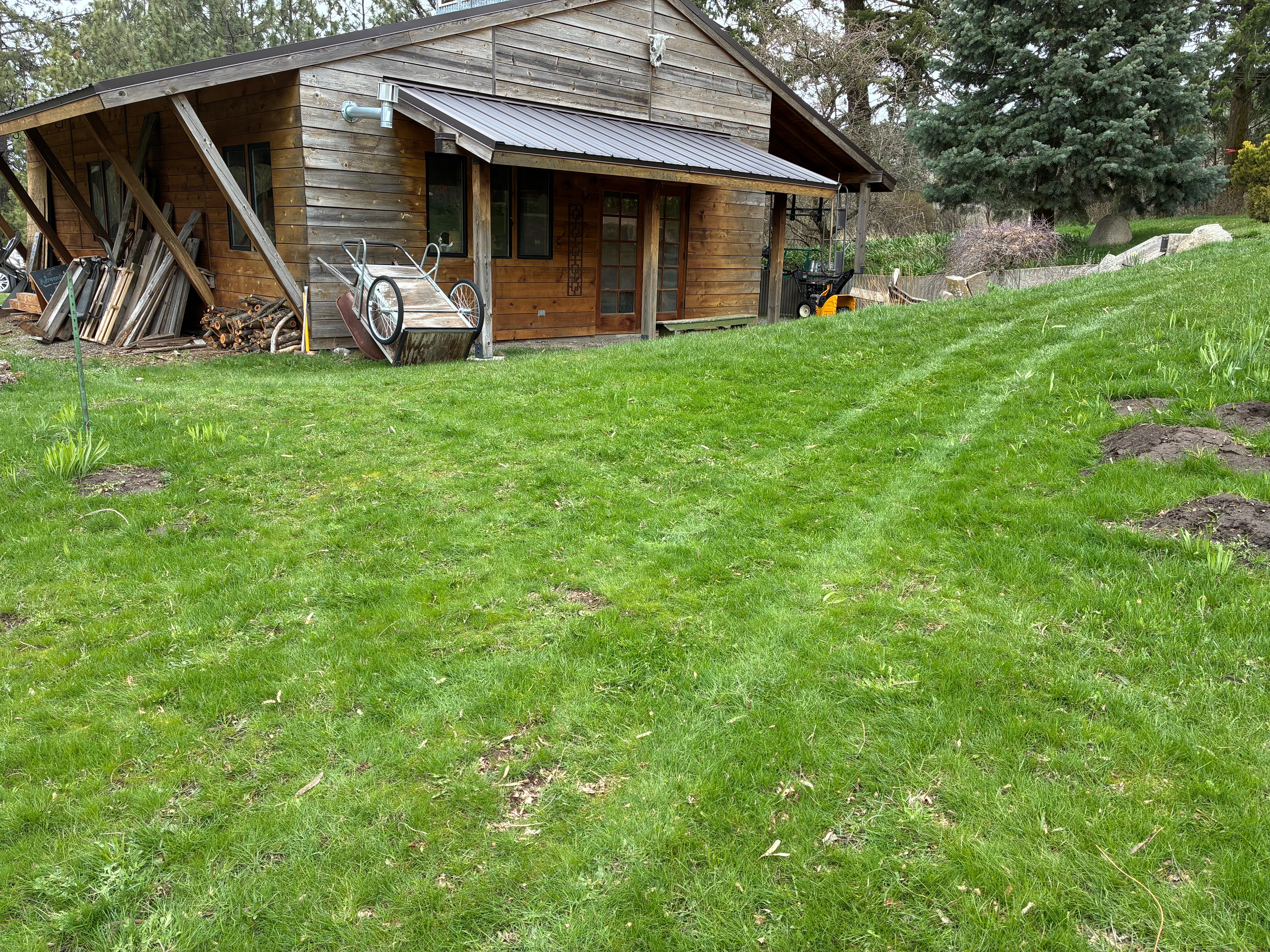
But as he listed all the items he aimed to rid us of, I felt a wave of resistance rise in my body. My gaze fled down the hill. I can’t… my hand slid over my chest. It’s just… my eyes sought the tops of the trees. I feel… my arms hoisted me out of the water and onto the edge of the tub.
He looked at me with concern while I blind-walked toward an unidentified feeling. The birds went quiet and the dog walked over and touched his nose to my fingers. Maybe I’m feeling defensive, I wondered. We’d gone through everything just last year. The garage and basement had been picked clean and organized. We’d already limbed a number of trees, and I spent several days clearing the bramble from the lilacs in the driveway. I put a lot of effort into being mindful about keeping our stuff lean and organized.
Yes, he said, all that is true, but there’s still all that lumber leaning against the west side of the garage, there are tents in the basement with broken poles, and a box of rafting supplies in the garage we haven’t used in decades. It’s not about casting blame, he said. He just wanted to do a little spring cleaning.
I nodded. This made sense. But the feeling persisted in my chest, a corset of discomfort that I couldn’t loosen. Maybe I’m worried, I tried again, that it’ll all wind up in the dump without us parsing it out to the right people who would give it a second life. To a fault, I am inclined to repair things, find good homes, re-use and recycle. I just never seem to have the time to do it.
My husband tilted his head to the left and said in the most gentle voice possible that a lot of the stuff was broken, moldy, dried out. Most of it is not salvageable, he said. We don’t need to make it someone else’s problem. He made a reasonable point, but my mind raced ahead to protect all the things we still had in our possession: the art supplies in the goat barn, the corn hole boards I’d made with our son, the fishing frame that was starting to rust, the old sleds leaning against the garage, the tent grandpa gave us, my extra fly fishing reels, the musty baseball mitts, the watercolor sets. All I needed was one last chance to put the things to use. I could try to make time to fish this spring. We could probably get another summer out of the corn hole boards. And who knows when the muse might guide us back into the arts?
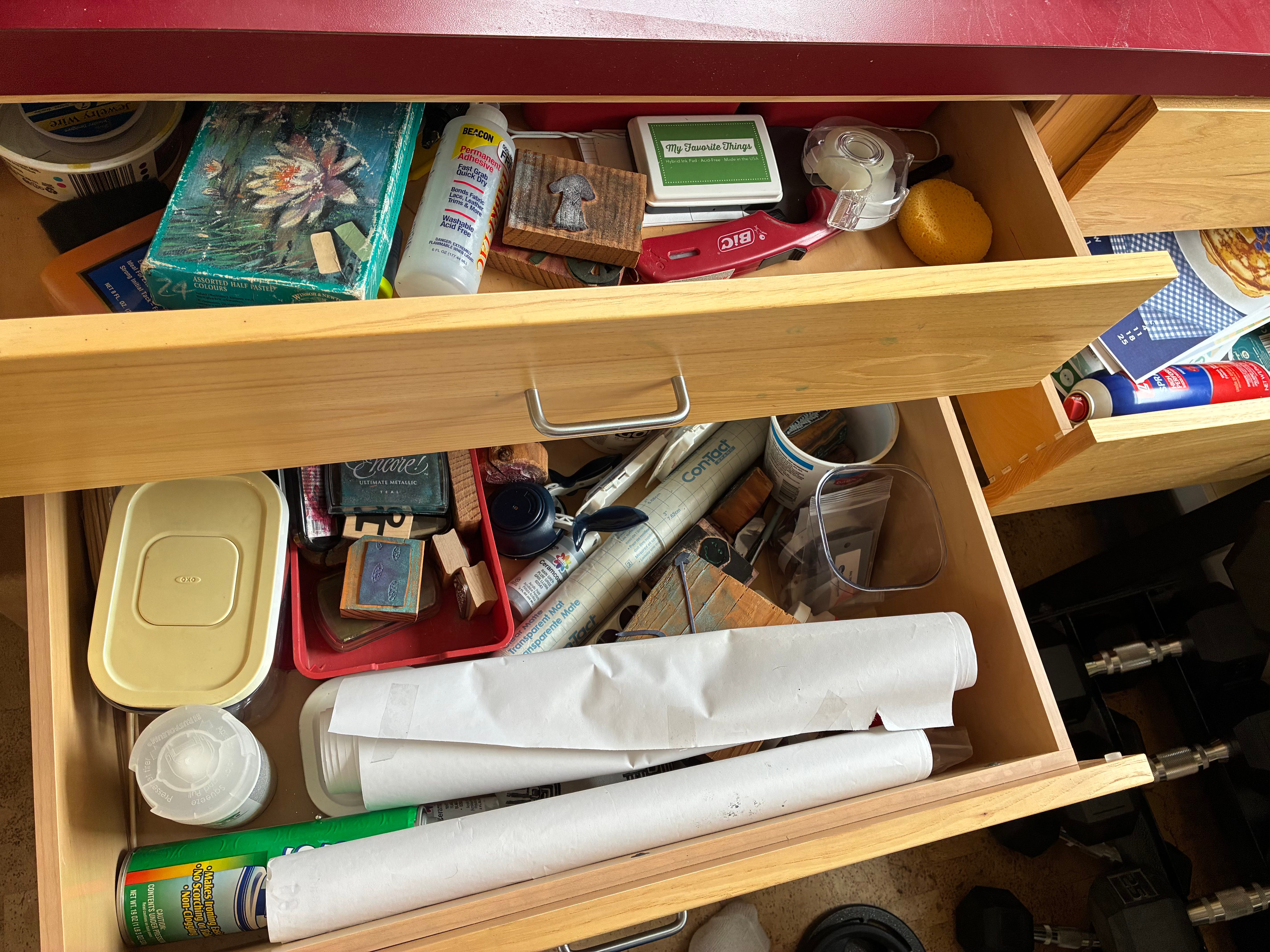
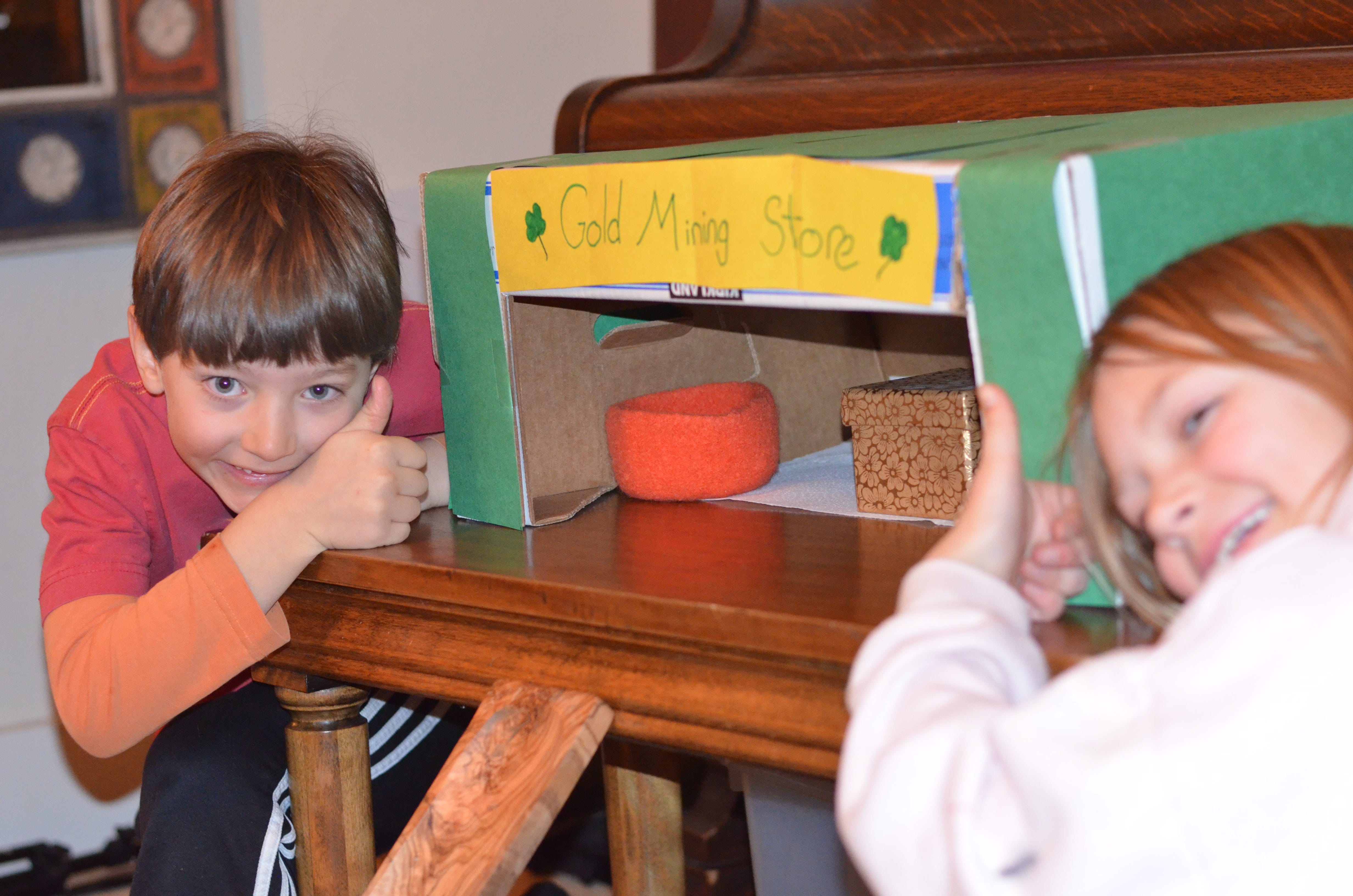
We had bought all the art supplies when the kids were little: paint brushes and watercolor sets, rounded scissors, reams of craft paper, pens, giant tubes of acrylic, jewlery-making supplies, fabric, glue, and glitter. We bought them imaginging that we’d spend time sitting on stools in the goat barn, crafting artwork for the refrigerator, assembling collages, painting birds, beading jewelry. We bought the baseball mitts imagining games in the backyard with our kids and their friends. The fly fishing gear I’d saved thinking I’d teach my kids how to fish, just like my dad taught me. I thought our kids would invite their friends over to sled. I thought there’d be so much more time.
Oh, I said, and lifted my hand to my heart as if I’d just won a melancholy game of Bingo. I know what I’m feeling. I lifted my wet eyes to his and felt the lump swell in my throat. It’s sadness. I inhaled a deep breath and sighed.
All that stuff we’ve saved and stored—that role of contact paper, those rubber stamps, that spare fishing rod and reel, yards of fabric, piles of paper, boxes of gear—had been imbued with potential energy. Good intentions that we hadn’t yet fulfilled. Stuff saved for the day we might make art with our kids. The day I might teach them to fish. The day we would make something out of all that wood. In all the years with our kids at home, those days never came to be. And now the kids are off to college. My parents off to memory care. Somehow, in the race of time, the future I once imagined had already passed.
Facing down the cruel work of sorting, parsing, and tossing, I opened the top drawer of art supplies and brushed my fingers over the box of pastels, the handmade stamps, the dried glue. The only sounds came from the fan in the bathroom and the patter of rain that had started to fall outside. I seated myself on the stool and began sorting through the material, placing like items together, tidying paperclips, aligning paper. Hours passsed, and I remained at the counter kneading my regrets, working them into supple memories, and feeling the richness of the past twenty years rise in the warm air. There was that winter day we carved homemade stamps, the sunny afternoon when we made fridge magnets, the birdhouses we painted and hung last spring. The river trips we made every summer, the bike races we watched, the weekends we skiied at Schweitzer, the fishing trip I made on the St Joe with my dad. For every opportunity that had been missed, an equivalent opportunity had been found.
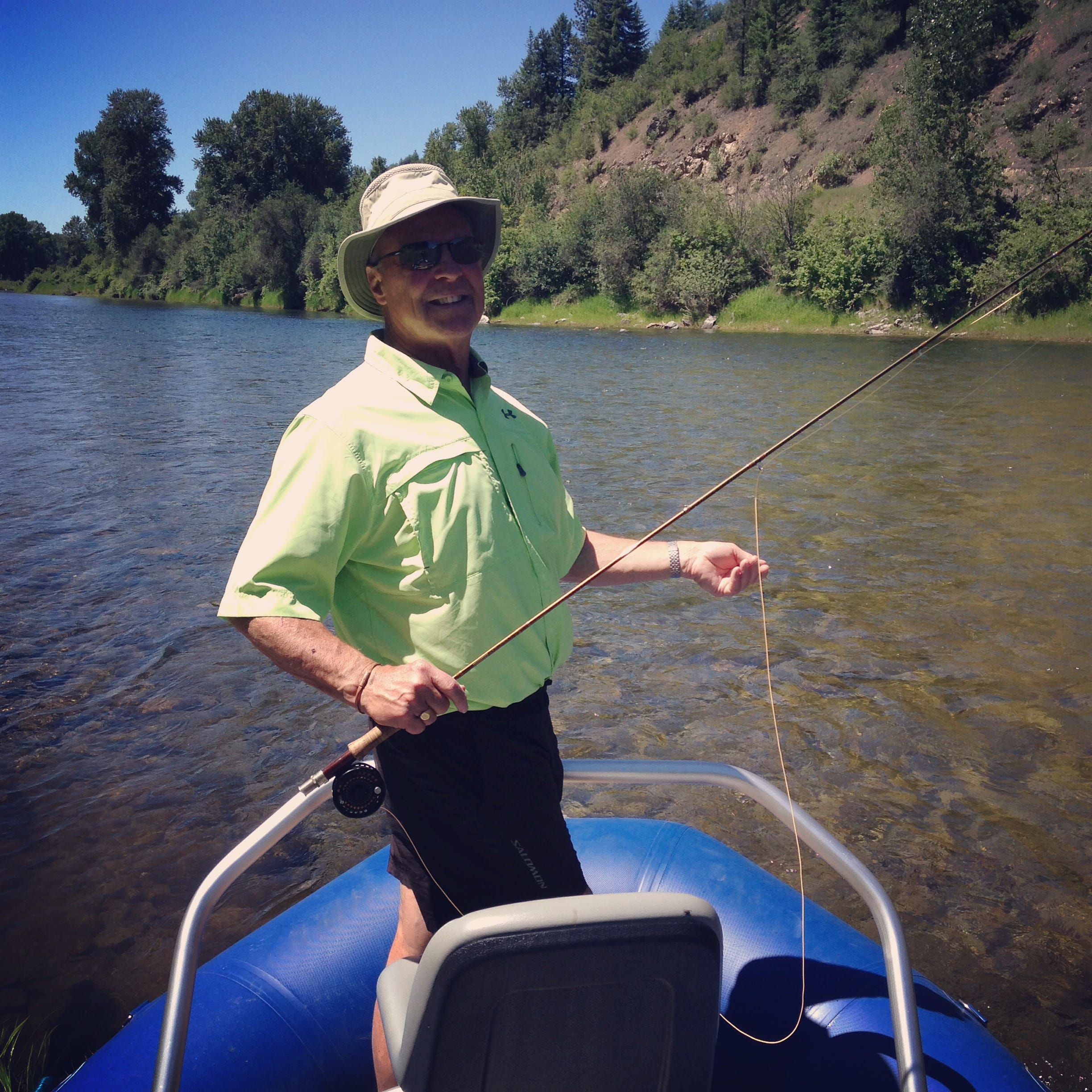
I closed the drawer and arched my back, filling my lungs to capacity. I’d thrown nothing away, but somehow in the course of a quiet afternoon, I’d neutralized some of the energy that I’d stored in the things I’d saved. I could see most of the items as the stuff it had become: broken crayons, dried glue, sun-damaged paper. What I yearned for—the essence of the stuff, the intentions and hopes—had long passed me by. Saving a hole punch wouldn’t make my kids ten again. Putting new line on an old fishing reel wouldn’t reverse Alzheimers.
I padded back across the lawn to the house and noticed the first blossoms had appeared on the apricot trees. Like a hummingbird, my mind dipped back and forth between sadness and gratitude. Sad for the uncertainty, the what ifs, the could have beens. Grateful beyond measure for what was, what has been, how we arrived, and with whom. The daffodils had claimed their place in the spring parade. A new season laid its welcome.
This is really just exquisite, Heidi. It is a perfect piece, and such evidence of your work and craft. I love it all, but this sentence really stood out: “Hours passed, and I remained at the counter kneading my regrets, working them into supple memories, and feeling the richness of the past twenty years rise in the warm air.” I think this piece deserves wider circulation. Now I’ll go find a tissue and dry my tears.
That was a good read and timely. It made me think of Marie Kondo and döstädning. It made me think of coming to terms with aging and possessions. Love you balance in the piece. Sad and happy, can’t have one without the other. I read this piece while sitting alone in a hot tub in a skogen on Whidbey Island filled with everything you wrote off.